

As temperatures begin to rise, many outdoor pests emerge with increased activity, and wasps are among the most noticeable. What may start as occasional sightings can quickly turn into a more consistent presence around homes, patios, and yard spaces. This shift is not random. It is tied closely to seasonal changes that affect how wasp colonies develop and expand.
Understanding why wasps become more active during warmer weather is an important step in managing their presence. When approached with informed wasp control methods and long-term awareness, it becomes easier to reduce risks while maintaining a more comfortable outdoor environment.
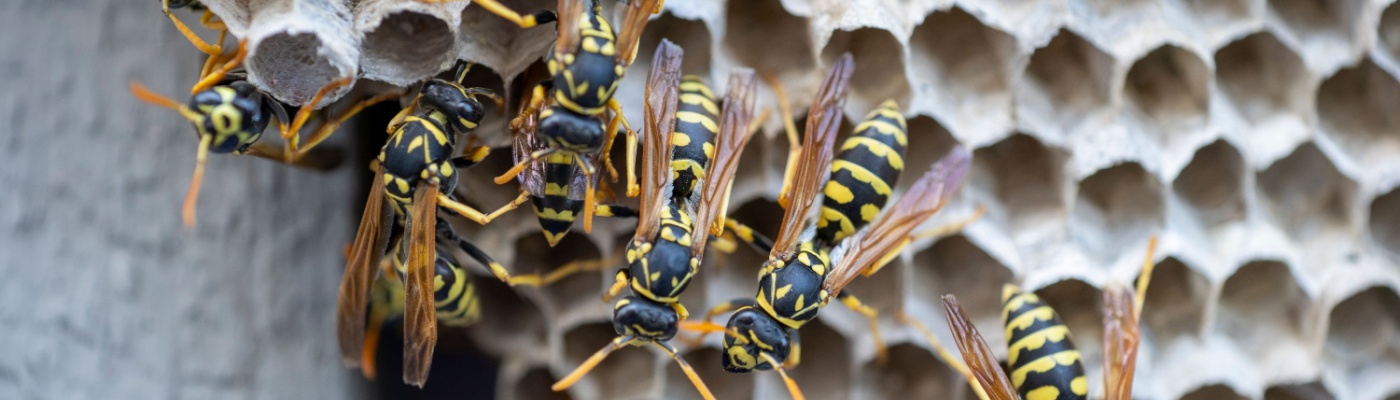
The Seasonal Life Cycle Of Wasps
Wasp activity is directly influenced by their life cycle, which begins to accelerate as temperatures climb. During colder months, most of the colony does not survive, leaving only fertilized queens to overwinter in sheltered areas. Once spring arrives, these queens emerge and begin building new nests.
Early in the season, wasp populations are relatively small. However, as the queen lays eggs and workers begin to hatch, the colony grows rapidly. By late spring and early summer, the number of wasps increases significantly, leading to more visible activity around residential areas.
This pattern explains why wasps seem to appear suddenly. The transition from a single queen to a fully functioning colony happens quickly under the right conditions. As the season progresses, their need for food and resources drives them to explore more areas around the property.
Environmental Factors That Increase Wasp Activity
- Rising temperatures. Warmer conditions speed up reproduction and allow colonies to grow more efficiently
- Abundant food sources. Outdoor meals, trash bins, and sugary substances attract foraging wasps
- Accessible nesting areas. Eaves, decks, trees, and wall voids provide protected spaces for nest-building
- Reduced rainfall. Dry conditions allow wasps to forage more frequently without disruption
- Expanding colonies. As the population grows, more worker wasps search for food and materials
These factors combine to create a noticeable increase in activity. Homes that offer consistent food sources and sheltered nesting spots often experience higher levels of wasp presence. While some activity may seem manageable at first, growing colonies can quickly become more difficult to control without a structured approach.
Where Wasps Commonly Build Nests Around Homes
- Roof overhangs. Protected areas under eaves are a common starting point for new nests
- Outdoor structures. Sheds, pergolas, and fences offer stable surfaces for nest attachment
- Trees and shrubs. Dense foliage provides natural cover and protection from the weather
- Wall voids and attics. Enclosed spaces allow colonies to expand without immediate detection
- Ground-level cavities. Certain species build nests in soil or hidden landscape features
These locations are often overlooked during routine property maintenance. Early-stage nests can be small and difficult to detect, but they expand quickly as the colony grows. Identifying these areas early is essential for effective wasp control, especially before the population becomes more established.
Why Early Intervention Matters For Wasp Control
Addressing wasp activity early in the season can make a significant difference in long-term outcomes. Smaller colonies are easier to manage, and intervention at this stage helps prevent larger infestations later in the year.
Waiting until activity becomes more noticeable often means the colony has already matured. At that point, wasps are more defensive and more likely to react aggressively when disturbed. This increases the risk of stings and makes removal more complex.
Seasonal awareness plays a key role in timing these efforts. Understanding how pest activity changes throughout the year can provide valuable insight into when action is most effective. This concept is explored further in early-season pest timing, where proactive planning supports better long-term results.
The Limits Of One-Time Solutions
It can be tempting to rely on one-time treatments when wasp activity becomes noticeable. While these approaches may provide temporary relief, they rarely address the underlying conditions that attract wasps in the first place.
Wasp control requires more than surface-level solutions. Colonies continue to grow, and new queens can establish nests in nearby areas. Without addressing access points, food sources, and nesting conditions, activity often returns.
This is why consistent, property-wide strategies are more effective. Managing wasp activity involves monitoring changes, adjusting conditions, and applying targeted solutions when necessary. The limitations of quick fixes are discussed in more detail through why DIY pest control fails, where long-term effectiveness is a central focus.
Other Pests That Become Active During Warmer Months
Wasps are not the only pests that increase activity as temperatures rise. Warmer conditions also bring higher visibility for ants, spiders, cockroaches, rodents, and other common household pests. These species often respond to the same environmental factors, such as food availability and shelter opportunities.
This overlap highlights the importance of a comprehensive approach. Addressing one pest without considering others can lead to ongoing issues across the property. Integrated strategies help create a more balanced environment, reducing the likelihood of recurring infestations.
Managing Outdoor Spaces With Long-Term Awareness
Keeping outdoor areas comfortable during warmer months requires more than reacting to visible pests. It involves understanding how seasonal changes influence behavior and taking steps to reduce conditions that support colony growth.
Wasp control is most effective when it is approached as part of a broader effort to manage the entire property. This includes identifying potential nesting areas, limiting attractants, and maintaining consistent oversight throughout the season. While some adjustments can be made through routine maintenance, more persistent activity often calls for a deeper level of expertise.
Stay Ahead Of Wasp Activity With Confidence
For those dealing with increasing wasp activity or looking to prevent it before it escalates, professional support can provide a more reliable path forward. Connect with Habitat Pest and Lawn to explore solutions designed for effective wasp control and long-term property protection.