

Spiders often enter homes quietly, building webs in corners, crawl spaces, and undisturbed storage areas. While many species are considered harmless, a growing spider infestation can raise concerns that go beyond simple discomfort. The question is not just about fear, but about whether their presence can affect the well-being of those living in the home.
From an expert perspective, the impact of spiders depends on several factors, including species, population size, and environmental conditions. Understanding these variables helps clarify when spiders are merely a nuisance and when they begin to present legitimate health concerns for families.
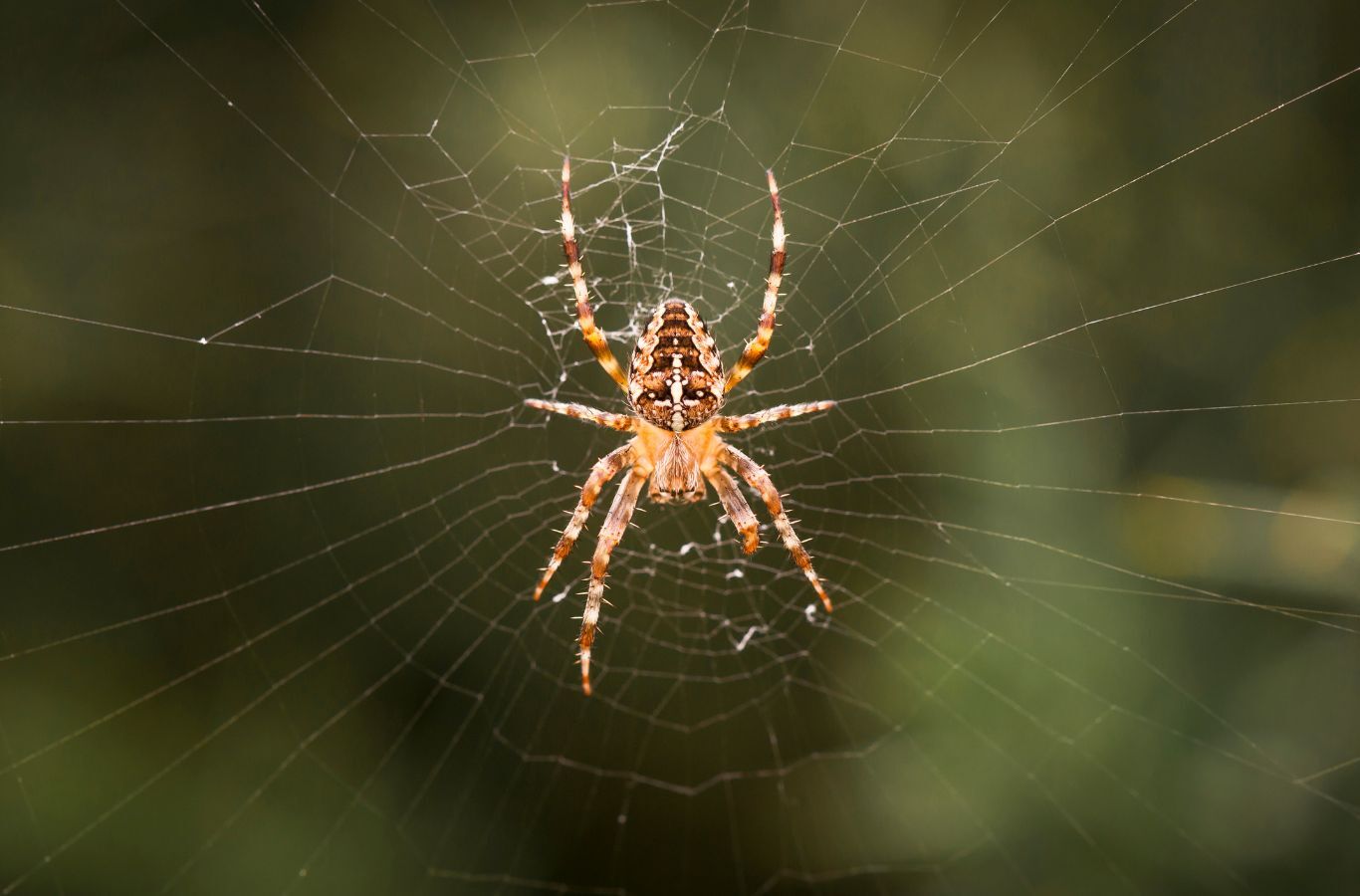
Understanding What Attracts a Spider Infestation
Spiders do not randomly settle indoors. Their presence is usually tied to favorable conditions that support their survival and food supply. When these conditions remain unchecked, a spider infestation can develop gradually without immediate notice.
- Food availability drives activity. Spiders feed on insects such as ants, flies, mosquitoes, and other small pests that thrive indoors. A steady insect population encourages spiders to stay and reproduce.
- Moisture creates ideal habitats. Damp basements, crawl spaces, and poorly ventilated rooms provide the humidity many spider species prefer.
- Clutter offers protection. Storage boxes, unused furniture, and undisturbed corners give spiders safe areas to build webs and lay egg sacs.
- Seasonal pest shifts increase movement. During warmer months, insect activity rises, which indirectly increases spider presence. This connection becomes clearer when reviewing patterns discussed in our recent article about spring pest activity.
When these factors combine, spider populations can expand beyond what most homeowners initially notice.
Potential Health Risks Linked to Spiders Indoors
Not all spiders pose direct harm, but certain conditions associated with a spider infestation can affect health in subtle and sometimes unexpected ways.
- Venomous bites in rare cases. While uncommon, some species can deliver bites that cause localized pain, swelling, or more serious reactions depending on sensitivity.
- Secondary skin irritation. Even non-venomous bites may lead to itching or minor infections if scratched repeatedly.
- Allergic responses. Shed skins, droppings, and web debris can contribute to indoor allergens, particularly in enclosed spaces with poor airflow.
- Increased anxiety and stress. The psychological impact of seeing spiders regularly can disrupt comfort, especially for children or individuals with arachnophobia.
- Indirect pest exposure. A spider infestation often signals a larger insect problem, which may include pests such as ants, flies, mosquitoes, rodents, and wasps that are known to affect indoor environments.
These risks are often interconnected. Spiders themselves may not always be the primary issue, but their presence points to underlying conditions that can affect household health.
When Spider Bites Become a Concern
Although most spider bites are harmless, understanding when they require attention is important for protecting family members.
- Unusual pain or spreading redness. If a bite becomes increasingly painful or expands beyond the initial area, it may indicate a reaction that needs evaluation.
- Systemic symptoms. Fever, muscle cramps, or fatigue following a bite can signal a more serious response.
- Slow-healing wounds. Bites that do not improve within several days should be monitored carefully.
- Sensitive individuals. Children, elderly individuals, and those with compromised immune systems may react differently to bites.
In many cases, identifying the species responsible for the bite is difficult. This uncertainty highlights the importance of addressing the broader spider infestation rather than focusing on isolated incidents.
Why Spider Infestations Often Signal Larger Pest Problems
Spiders are predators, which means their presence is closely tied to the availability of other pests. A noticeable increase in spiders often reflects a deeper issue within the home environment.
- Hidden insect populations. Spiders rely on insects for survival, so their presence often points to ants, flies, and mosquitoes living within walls or under flooring.
- Overlapping pest activity. Homes experiencing spider infestations may also encounter rodents or wasps that share similar entry points and environmental conditions.
- Seasonal patterns. Changes in temperature can drive multiple pest species indoors at the same time, increasing overall activity levels.
- Web accumulation in high-traffic areas. This suggests ongoing feeding activity, not just occasional spider movement.
- Egg sac development. The presence of egg sacs indicates that the infestation is not temporary and may continue to grow without intervention.
Addressing spiders alone may not resolve the problem if the underlying insect population remains active. A broader approach is often necessary to restore balance indoors.
Long-Term Prevention and Why Professional Insight Matters
Managing a spider infestation requires more than surface-level cleaning. Long-term prevention involves identifying and addressing the conditions that allow spiders and their prey to thrive.
- Environmental adjustments. Reducing moisture, improving ventilation, and limiting clutter can make spaces less appealing to spiders.
- Entry point management. Sealing gaps around windows, doors, and utility lines helps reduce pest access.
- Monitoring hidden areas. Attics, crawl spaces, and storage zones should be evaluated regularly for signs of activity.
- Consistent pest management. Since spiders depend on other insects, controlling the broader pest population is essential.
- Accurate identification. Different spider species behave differently, and understanding these patterns supports more effective solutions. More insights can be explored through this resource on spider control methods.
A detailed, structured approach often delivers more reliable results than surface-level efforts. Addressing both spiders and the insects that support them helps reduce recurring issues rather than temporarily masking them.
A Smarter Step Toward a Calmer, Safer Home
Spider activity may seem manageable at first, but a growing spider infestation can reflect deeper pest concerns that affect comfort and health over time. Taking a thoughtful approach ensures that the problem is addressed at its source.
For a more thorough evaluation and lasting results, reach out to Habitat Pest and Lawn and explore solutions designed to restore balance and peace of mind inside your home.